


I treat casino app installation the same way I handle any other financial or entertainment app: I seek the official source, a device that can manage it, and a clear understanding of what happens after the download ends. For New Zealand players, the Wazamba Casino mobile app is built to keep the account, cashier, game lobby, and support tools in one spot instead of making you switch between browser tabs. That counts because mobile play is rarely a straight sit-down session. I might check a balance on the bus, claim a bonus at home, or try a few live dealer rounds during a lunch break. The installation process itself is not complex, but compatibility, permissions, and account security are where people get tripped up. I use this guide to cover those details in the order I would actually handle them, from the first compatibility check through to the first responsible-play setting I enable.
Initial launch, sign-in, and account creation
First launch is where I slow down and treat the app like a new account surface rather than a quick gaming access. I sign in with my existing Wazamba Casino username and credentials, fulfill any dual-factor or email confirmation step the operator mandates, and confirm that my profile details and identity status are correct before I go to the cashier. If I am a new player, I carry out enrollment inside the app solely if the official platform confirms that mobile sign-ups are available; if not I enroll on the website and then authenticate. I also configure a deposit limit and a session alert at this phase, before any bonus notification pops up. That sequence is important to me because it keeps the initial mobile session under control. I store the customer support contact and responsible gambling pages so I can locate them without looking through navigation later.
The cashier is the next thing I evaluate. I open the funding page, check the available payment methods for New Zealand, and validate the minimum and maximum limits before making a small test deposit. I do not assume that every desktop payment option is present in the app, and I do not take for granted that a bonus promo will activate on its own. I go through the bonus conditions on the same display where I enroll, then verify my balance and transaction history to ensure the funding registered correctly. If an issue appears, I stop and contact help through the app rather than performing a additional deposit to test it. I also inspect cash-out settings in advance, because being aware of how a withdrawal request is submitted on the mobile app is more valuable than discovering it after a profitable session. That minor verification spares me annoyance later.
Loading Wazamba Casino on Android, covering sideloading
Through the official APK
On Android, installation usually uses one of two paths: an app store listing where available, or a direct APK download from the authorized Wazamba Casino app page. I choose the official page because I can check the current file and any details the operator has published for New Zealand users. If I am sideloading, I access the download on my phone, then let the browser or file manager to install unknown apps when Android notifies me. That permission is momentary in my routine; I switch it off again after the install ends. I do not download APK files from random sources, social media posts, or file-sharing platforms, because a modified casino app is a major account-security concern. Before pressing install, I verify that the download came from the Wazamba Casino domain and that my phone is not notifying me about a corrupted file. The whole Android install typically requires a few minutes on a decent connection.
Post-installation
After the APK finishes, I open the app once while still on Wi-Fi and have any first-run assets load before I start to play. I authenticate with my existing Wazamba Casino details rather than making a duplicate account, because duplicate accounts can affect verification and bonus qualification. If the app offers biometric login or a PIN, I turn on it only after the first successful password login and only on a device I hold locked. I also examine app permissions and decline anything that is not necessary for the core experience. Android may request for notifications, storage, or camera access; I choose based on what I actually employ. If an update arrives later, I redo the same source check rather than clicking through a random update prompt. The goal is a clean install that functions like a trusted banking app, not a quick download I ignore.
Mobile features and mobile performance
The features I prize most in a casino app are the features that reduce friction without hiding important information. In the Wazamba Casino app, I need a game lobby that filters by provider and category, a cashier that shows pending transactions clearly, and a support entry point that does not demand leaving the app. Notifications can be useful for deposit confirmations and bonus expiry reminders, but I set promotional pushes off unless I have deliberately enrolled. Biometric login is practical, though I still recall my password in case the biometric sensor malfunctions. Performance-wise, I assess the app by how quickly the lobby loads, whether live dealer video stays in sync, and whether the phone heats up during a longer session. If the app stutters, I close background apps, move to Wi-Fi, and search for an update before holding responsible the casino software.
Setting up on iPhone and iPad via the App Store
For iPhone and iPad, my initial destination is the App Store listing accessed via the official Wazamba Casino app page. I hunt by the exact brand name and review the developer details instead of trusting the first result with a similar icon. If a native iOS build is available for New Zealand, the install is the standard App Store flow: verify the Apple ID, confirm with Face ID, Touch ID, or password, then wait for the download to end. If the app page says the native iOS app is not accessible in my region, I do not seek to push a region change or use a third-party signing service. Alternatively, I utilize the mobile browser version and save it to my home screen if I desire quicker access. That fallback maintains me inside the official Wazamba Casino environment without pretending an unsupported install is safe.
Once the iOS app is loaded, I launch it and confirm that the login screen matches the official branding and that the cashier opens over a secure connection. I also review the App Store privacy details and the in-app support link before I fund anything, because those are helpful signals that I am in the right place. On an iPad, I favor landscape mode for live dealer tables and portrait mode for slots, so I test both before committing to a session. If the app feels cramped or the text is hard to read, I check whether the app has a tablet-specific layout or whether the mobile browser gives me more control. I do not modify my device or add configuration profiles to circumvent regional restrictions; that trade-off is not worth the security risk for a casino app.
Why the Wazamba Casino app is ideal for New Zealand players
The main reason I would set up the Wazamba Casino app in New Zealand is convenience without sacrificing access to the core casino account. A native app is likely to remember my login state better than a browser, keeps the cashier and game lobby in a uniform layout, and makes notifications about account activity simpler to see. It also cuts down the chance of tapping a lookalike site from a search result, because I am opening an installed icon instead of retyping a web address. Even so, I do not consider the app as a separate casino. My balance, verification status, bonus terms, and responsible-play limits should adhere to the same account rules as the desktop site. Before installing anything, I ensure that I meet the legal age for casino play in New Zealand, that I am satisfied with the operator’s terms, and that I am using the official Wazamba Casino app page rather than a third-party download mirror. The download itself is normally free, but deposits and mobile data are not.
I also reflect on what kind of player the app works for. If I mostly play short sessions on a phone, the app’s touch controls and saved login can appear quicker than zooming and zooming a desktop layout. If I prefer live dealer tables, I need a stable connection and a device that can manage video without overheating. If I only participate occasionally, I might still download the app but keep notifications off so it does not turn into a background prompt to spend. The app is not automatically better for everyone; it is better when the mobile format aligns with how I actually play. That is why I check the app page for current features and availability before downloading, rather than expecting every Wazamba Casino tool I see on desktop will show up in the same place on my phone.
Hardware compatibility and the steps I carry out before getting the app
Android and iOS baselines
Hardware compatibility is the primary real filter I apply, because an app that sets up but works poorly is more problematic than no app at all. Wazamba Casino lists its present minimum operating system and device standards on the authorized app page, and I treat those as the authoritative reference rather than speculating from a forum post. As a sensible baseline, I would expect a up-to-date Android or iOS device with a fresh security update, adequate free storage for the app plus game assets, and a stable Wi-Fi or mobile data connection. Outdated phones may still launch the app, but I would watch for slow cashier loading, stuttering game graphics, or a keyboard that covers login fields. If my device is near the minimum, I try the mobile browser version first to see whether the issue is my hardware or the app itself.
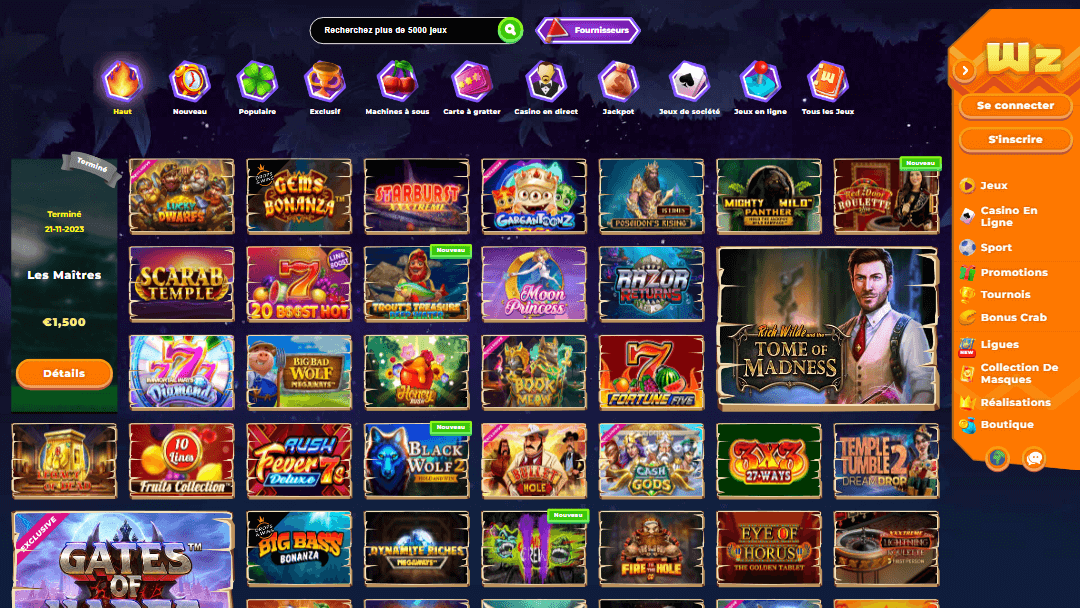
Storage and security patches
Why I prioritize free space
Free space and security patches count more than many people anticipate. A casino app is not just a minor launcher; it may store game files, keep session data, and pull updates in the background. I prefer to keep a sufficient buffer of free space rather than downloading at the limit, because a complete phone can result in failed updates and sluggish performance. I also confirm that my operating system still receives security patches. If my phone has not been refreshed in a considerable period, I am more cautious about typing account credentials, even on an official app. The app visit this page should indicate the supported versions, and my device settings should confirm what I am operating. When those two parts do not match, I either update the device or employ the mobile browser instead of insisting on an install that is likely to underwhelm.
Desktop differences, data usage, and responsible play
The mobile app is not a copy of the desktop site, and I enjoy it that way when I am on a phone. The desktop layout provides me more on-screen details at once, which is helpful for evaluating game tables or reviewing long terms, while the app streamlines the interface for touch and briefer sessions. I anticipate some desktop features, such as comprehensive account reports or several-panel cashier views, to be simpler on mobile, and I utilize the browser when I need the fuller view. Data use varies by what I play: standard slot sessions generally to use limited amounts of data, while live dealer streams can consume much more, so I keep those for Wi-Fi when possible. I also utilize the app’s responsible-play tools, including deposit limits, reality checks, and time-outs, and I sign out on shared devices. In New Zealand, I stay gambling within my budget and treat the app as entertainment, not a way to recover losses.


